Aug 31, 2026 · Kyle Pellerin
What to Look for in Industrial Warehouse Space for Rent in Ontario
A practical guide to choosing industrial warehouse space for rent in Ontario—location, size, cost, security and room to grow.
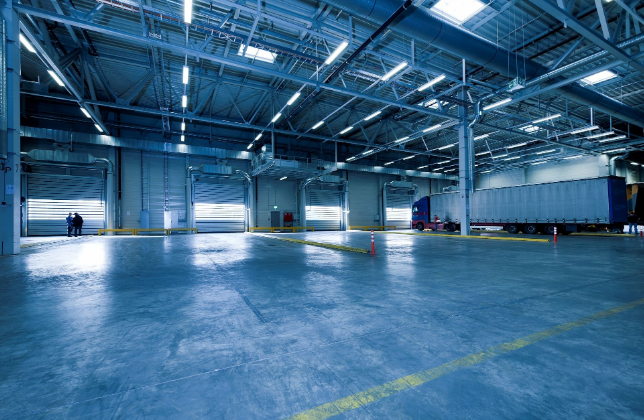
Finding the right industrial warehouse space for rent in Ontario can make or break your operation's efficiency and bottom line. Whether you're a startup, a scaling eCommerce brand, or an established manufacturer, the space you choose shapes how fast you ship, how much you spend, and how easily you grow. The trick is knowing what to evaluate before you sign. Below are the key considerations to weigh so you can make a confident, informed decision.
A warehouse is more than square footage—it's the backbone of your fulfillment and distribution. If you'd rather skip the search entirely, an established industrial fulfillment partner can give you turnkey space and staff without a long-term real estate commitment. If you're leasing your own facility, start here.
1. Location
Location is arguably the most important factor in your search. A strategically positioned facility strengthens your distribution network, lowers transportation costs, and improves access to key markets and carriers.
Accessibility
Prioritize easy access to major highways and proximity to your suppliers and customers. For eCommerce operations, where timely delivery drives customer satisfaction, minutes saved on the road add up quickly. Established industrial corridors also tend to have the infrastructure and services that warehouse operations depend on.
Zoning Regulations
Confirm the property is zoned for industrial use before you get attached to it. Zoning dictates what activities are permitted on-site and can affect your long-term plans, so verify it early.
2. Size and Layout
The right space supports your current volume while leaving room to grow. Size and layout are equally important—a large but poorly configured building can be harder to run than a smaller, well-designed one.
Square Footage
Assess your current inventory and projected growth to gauge how much space you actually need. Underestimating is a common and costly mistake that leads to bottlenecks and premature relocation.
Layout and Configuration
Look at ceiling height, column spacing, and dock design—each affects how efficiently you can move goods. Make sure the space can accommodate the racking and shelving systems your inventory requires, plus any specialized equipment. For order-driven businesses, a layout that supports smooth picking and packing is essential.
3. Infrastructure and Amenities
Well-equipped facilities make day-to-day operations far smoother. Evaluate what's already in place before factoring in the cost of upgrades.
Utilities and Services
Confirm reliable electricity, water, and high-speed internet—non-negotiable if you run inventory management software or process orders on-site. Check heating, ventilation, and HVAC as well, especially if you store temperature-sensitive goods.
Loading and Unloading Facilities
Review the number and size of loading docks and whether they suit the vehicles you use. Dock capacity is critical for operations that see frequent inbound and outbound shipments.
4. Security Features
Security matters for any business holding valuable inventory. The space you choose should protect your goods and give you peace of mind.
Look for warehouses with security cameras, alarm systems, and controlled access points. It's also worth confirming coverage requirements with your insurer—facilities with stronger security features can sometimes lower your premiums and offset part of the cost.
5. Cost and Lease Terms
Understanding the full financial picture is crucial. Rent is only the starting point—dig into what's included and what isn't.
Rent and Inclusions
Assess the monthly rent alongside what the lease actually covers, from utilities and maintenance to property taxes. Clarity here helps you avoid unexpected expenses later.
Short-Term vs. Long-Term
Short-term leases offer flexibility; long-term leases can provide stability and lower rates. Weigh your growth plans and choose the structure that fits where your business is heading, not just where it is today.
6. Flexibility and Future Growth
Your warehouse needs will change as your business evolves. Favor spaces that can expand or adapt without major disruption, and consider whether the building can support multiple functions—warehousing and storage, distribution, and light assembly. That versatility is especially valuable for fast-moving eCommerce brands.
7. Local Market and Competition
Understanding Ontario's industrial real estate market gives you leverage. Research current rental rates, vacancy levels, and availability so you know what fair pricing looks like and can negotiate from a position of knowledge. Being active in local business communities can also surface partnerships and shared-resource opportunities.
Final Thoughts
Choosing industrial warehouse space for rent in Ontario is a multifaceted decision. From location and size to security and cost, each factor plays a role in your operation's success. As eCommerce continues to reshape the industrial landscape, a proactive, informed search pays off—helping you secure a facility that meets today's needs and supports tomorrow's growth.
Not sure whether to lease your own space or outsource to a partner? Contact KAIN Logistics for a warehousing and fulfillment quote, and put decades of Ontario logistics experience to work for you.
Frequently Asked Questions
How much industrial warehouse space do I need in Ontario?
Base it on current inventory plus realistic growth over your lease term. Factor in racking height, aisle space, and dock areas—not just floor area—so you don't outgrow the facility early or overpay for space you can't use.
Is it better to rent warehouse space or use a 3PL?
Leasing gives you full control but ties up capital and staff. A 3PL provides ready-to-use space, labor, and systems on flexible terms, which is often faster and lower-risk for businesses that want to scale without a long real estate commitment.
What should I check before signing a warehouse lease?
Confirm industrial zoning, verify utilities and dock capacity, review security features, and read the lease closely for what's included. Clarify term length and expansion options so the space can grow with your business.