Oct 26, 2026 · Kyle Pellerin
How Ontario Distribution Services Fuel eCommerce Growth
Distribution services for eCommerce give online retailers faster delivery, smarter inventory, and the scalability to grow. Here's how 3PL support works.
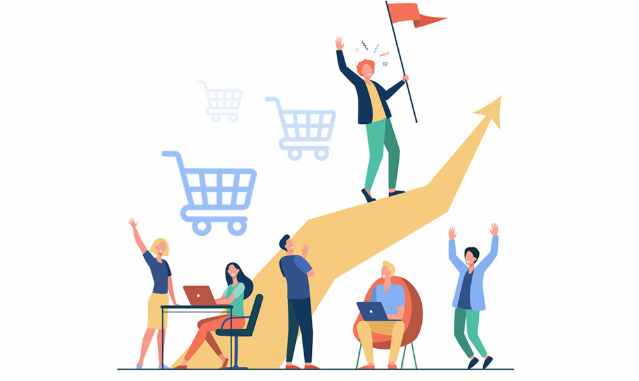
The growth of eCommerce has changed the game for retail — big opportunities, and even bigger challenges. As more people hit the "Buy Now" button from their couches, the pressure on behind-the-scenes logistics is heavier than ever. This is where distribution services for eCommerce come in: the space, systems, and know-how to get boxes out the door quickly and accurately. Below, we look at how Ontario distribution services align with the needs of eCommerce companies like yours — and directly fuel growth.
The Role of Ontario Distribution Services
Ontario distribution services cover a range of logistics functions — from storing your products and tracking inventory to picking and packing and putting boxes on trucks. They're the reason your buyers get their packages on time. As eCommerce keeps booming, getting this right matters more than ever: you have to manage rising order volumes, varied shipping demands, and high customer expectations. The right distribution partner is built to handle exactly that.
Eight Ways Distribution Services Fuel eCommerce Growth
1. Meeting customer expectations
Convenience is a big reason online shopping keeps growing — customers can buy without ever leaving the house. And with giants like Amazon promising same-day or next-day delivery, shoppers now expect lightning-fast shipping everywhere. Those companies pull it off with strategically located warehouses and advanced logistics technology — exactly what a distribution partner brings to your business. Fast, accurate delivery makes customers happy, and happy customers come back and buy again. That kind of brand loyalty is the key to making it in eCommerce today.
2. Smarter inventory management
Good inventory management is a cornerstone of a successful online store — if your inventory is a mess, your reputation will be too. Distribution services use real-time systems so you always know exactly how much stock you have and whether you can fill an order. That visibility saves you from two costly problems: stockouts that send buyers to competitors, and overstocks that tie up cash. Paired with disciplined inventory replenishment, it keeps stock in the sweet spot — cutting costs while protecting sales.
3. Streamlined fulfillment
Order fulfillment is where things can easily go wrong — no one wants to open a box and find the wrong item, or a damaged one. This is where distribution partners excel, applying years of experience and automation to fine-tune every step from picking and packing to shipping and returns. The result is faster shipping, fewer packing mistakes, and a much better unboxing experience for your customers.
4. Supporting omnichannel selling
Many brands that once sold only online now run omnichannel strategies — a website plus Amazon, a TikTok shop, retail partners, or their own storefront. Distribution services manage stock across every channel from a single source of truth, so customers get a flawless experience no matter how they shop. You can even add options like buy online, pick up in-store (BOPIS), giving customers more reasons to choose you.
5. Scalability for growth
What happens when your brand takes off? A distribution partner gives you the scalability to meet demand — whether it's an overnight viral moment or steady growth. You don't have to lease warehouse space or hire a dozen workers; you use what you need, when you need it. That flexibility frees you to focus on new products and new markets instead of logistics.
6. Leveraging technology
Technology can make or break an eCommerce business, which is why forward-thinking providers lean into automation, AI, and data analytics. Why does it matter to you? Because it directly affects your brand — better order accuracy, tighter inventory control, and a smoother shipping process. It's part of how the right distribution partner gives you an edge on the competition.
7. Reducing shipping costs
Shipping costs eat into an online store's bottom line. Major distributors ship huge volumes daily and hold long-standing carrier relationships, so they secure better rates and pass those volume discounts back to you. Lower shipping costs let you reinvest — offering rewards or competitive "free shipping" without losing money, a balance that's essential for sustained growth.
8. Enhancing the customer experience
In the end, it comes down to how you make customers feel. A distribution partner makes sure the right box shows up on the right porch at the right time — and handles returns just as smoothly. When a return is painless, that customer is far more likely to buy again. That kind of trust is how you build a brand that lasts.
The Bottom Line
The link between distribution services and eCommerce growth is clear: people will keep shopping from their phones and laptops, and the brands that win are the ones with rock-solid logistics running in the background. From fast delivery and accurate inventory to lower shipping costs and smarter technology, the right partner lets you stop worrying about boxes and start focusing on growth. You don't have to navigate modern retail alone — team up with the right logistics experts and both your business and your customers reap the rewards.
Ready to grow? Contact KAIN Logistics for a fast, free quote.
Frequently Asked Questions
What are distribution services for eCommerce?
They're the logistics functions that get online orders to customers — warehousing, inventory management, pick-and-pack fulfillment, shipping, and returns — usually delivered by a third-party logistics (3PL) partner.
How do distribution services help an online store grow?
They let you meet fast-delivery expectations, keep inventory accurate, and scale capacity up or down without buying your own warehouse. That lowers cost per order and improves the customer experience — both of which drive repeat sales.
When should I outsource distribution and fulfillment?
Usually when order volume, seasonal spikes, or delivery-speed demands start to strain your in-house operation. Outsourcing at that point adds capacity and expertise without a big capital outlay.