Feb 23, 2026 · Kyle Pellerin
Future-Proofing Your Business: Adapting to Changes in Industrial Fulfillment
Often, industrial profit can come down to how well you store and move your products. If the market changes and your supply chain can’t respond, you’ll run into delays that slow your growth. This blog post looks at the key
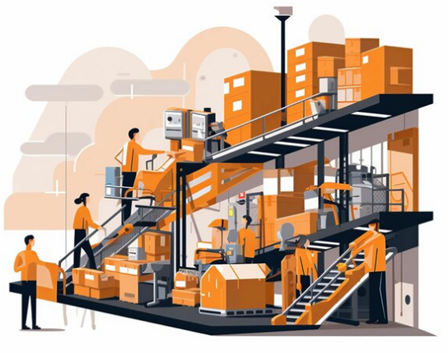
Often, industrial profit can come down to how well you store and move your products. If the market changes and your supply chain can’t respond, you’ll run into delays that slow your growth. This blog post looks at the key trends in industrial fulfillment today and offers steps to keep your operations running smoothly as you grow.
What is Industrial Fulfillment?
Industrial fulfillment, or manufacturing fulfillment, is the process of storing, handling, and distributing raw materials before they reach the factory floor. It involves moving these items from a warehouse to your facility as efficiently as possible, keeping materials in stock while avoiding waste.
As the market changes, so too must the fulfillment strategies that support them.
Why Industrial Fulfillment Needs to Be Flexible
Success in industrial fulfillment depends on how well you can pivot. When customer habits or the economy shifts, you need to adjust in turn. This means evolving your workflows and shipping methods without losing money or time.
To stay flexible, businesses should:
- Invest in Flexible Warehouse Solutions: Flexible warehousing options allow companies to scale their operations up or down based on current demand. Working with a logistics provider (3PL) lets you handle more orders without the high cost of owning or maintaining a large building.
- Leverage Data Analytics: Data-driven decision-making is essential in modern industrial fulfillment. Review your stock levels and order history to find patterns. This helps you make better choices about what to keep in stock and how to organize your floor.
- Adopt Lean Principles: This approach is about cutting out waste to get the most value from your resources. Remove steps in your workflow that don’t add value to you’re your operation more efficient and better able to handle sudden changes in demand.
Using Technology to Scale in Industrial Fulfillment
New technologies, like artificial intelligence (AI), and the Internet of Things (IoT), can help you move goods faster and with fewer mistakes. Using tools like automation and smart tracking allows you to handle more orders without significantly increasing your headcount.
- Automate Repetitive Tasks: Many warehouse tasks are repetitive. Automate your inventory management and order processing to reduce human error and speed up the time it takes to get a product out the doo
- Use Robotics: Robots can handle the physical work of picking, packing, and moving items across the floor. This can lead to faster processing times and keeps your team focused on higher-level tasks.
- Implement IoT Solutions: IoT can give you a live view of where your stock is and the status of your equipment. Real-time data helps you spot and fix issues before they cause delays in your shipping schedule.
Building a Sustainable Operation
Sustainability helps the planet, but it also helps your reputation. Customers are looking for businesses that take environmental impact seriously. Plus, many green practices end up saving you money.
- Optimize Transportation Routes: Use software to find the shortest paths for your deliveries. This reduces the amount of fuel you buy and lowers your carbon emissions.
- Use Eco-Friendly Packaging: Using materials that are easy to recycle reduces waste. It also tells your customers that you care about your footprint.
- Adopt Energy-Efficient Practices: Modern lighting and cooling systems use less power. Making these changes in your warehouse can lower your utility bills and cut down on your environmental impact.
Improving the Customer Experience
Your fulfillment strategy directly affects how customers view your business. Keeping customers satisfied requires accurate orders, on-time arrivals, and clear updates throughout the process.
- Invest in Order Tracking Systems: Giving customers real-time visibility into their orders can improve transparency and build trust. When they can see exactly where their parts are, they can better plan their own operations.
- Provide Flexible Delivery Options: Customers appreciate flexibility in delivery options. By offering various shipping methods, including expedited and same-day delivery, businesses can cater to diverse customer needs.
- Enhance Communication Channels: Open communication is essential for a positive customer experience. Businesses should establish multiple communication channels to address customer inquiries and provide updates on order status.
Building Strong Partnerships
No business operates in a vacuum. Working closely with outside experts helps you fill gaps in your own logistics and find better ways to move goods.
- Work with 3PL Providers: 3PL providers have the tools and networks already in place to help you grow. They can give you access to better shipping rates and specialized tech that might be too expensive to buy on your own.
- Keep Communication Open with Suppliers: A strong relationship with your suppliers helps you avoid shortages. Open communication and collaboration can help businesses navigate challenges and seize opportunities in industrial fulfillment.
- Join Industry Networks: Staying active in professional groups helps you stay current. It’s an easy way to learn about new regulations, local trends, or new ways to manage a warehouse that other operations managers are using successfully.
Scaling Your Industrial Fulfillment Strategy
Running a successful operation means looking for ways to improve every day. Logistics is a fast-moving field, and what worked last year might be slowing you down today. Stay flexible, adopt the right tools, and work with people who understand the current landscape; your supply chain supports your growth instead of acting as a bottleneck.
The goal is to build a system that responds to market pressure without driving up your costs or stressing your team. When your warehouse runs smoothly, your entire business is in a better position to handle whatever comes next.
If you’re ready to review your current setup and find more efficient ways to move your materials, contact KAIN Logistics today.